Frequently Asked Questions (FAQs) on Everest Base Camp Trek
Introduction: The Everest Base Camp trek is a popular and challenging adventure that takes you to the base camp of Mount Everest (8884m), the world’s highest peak. Located in the Khumbu region of Nepal, this trek offers breathtaking views of towering mountains, stunning landscapes, and unique Sherpa culture.
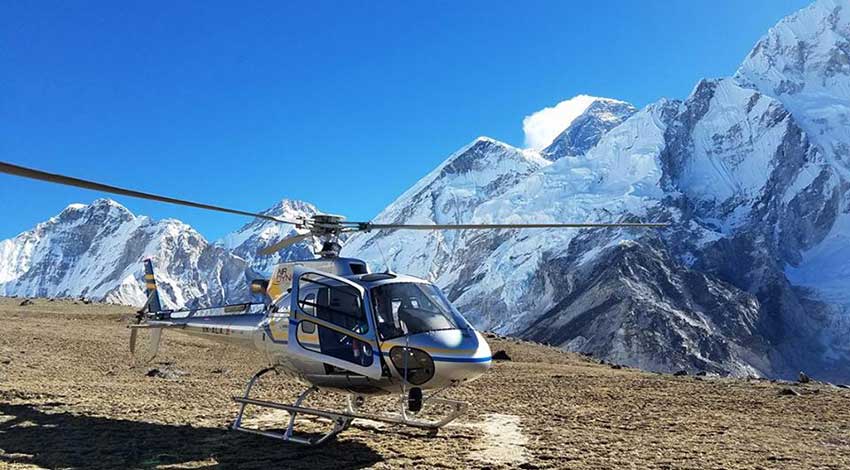
The trek usually begins with a scenic short flight from Kathmandu to Lukla, followed by a trek through picturesque villages, suspension bridges, and rhododendron forests. Along the way, trekkers pass through Namche Bazaar, a bustling Sherpa town, and acclimatize to the high altitude.
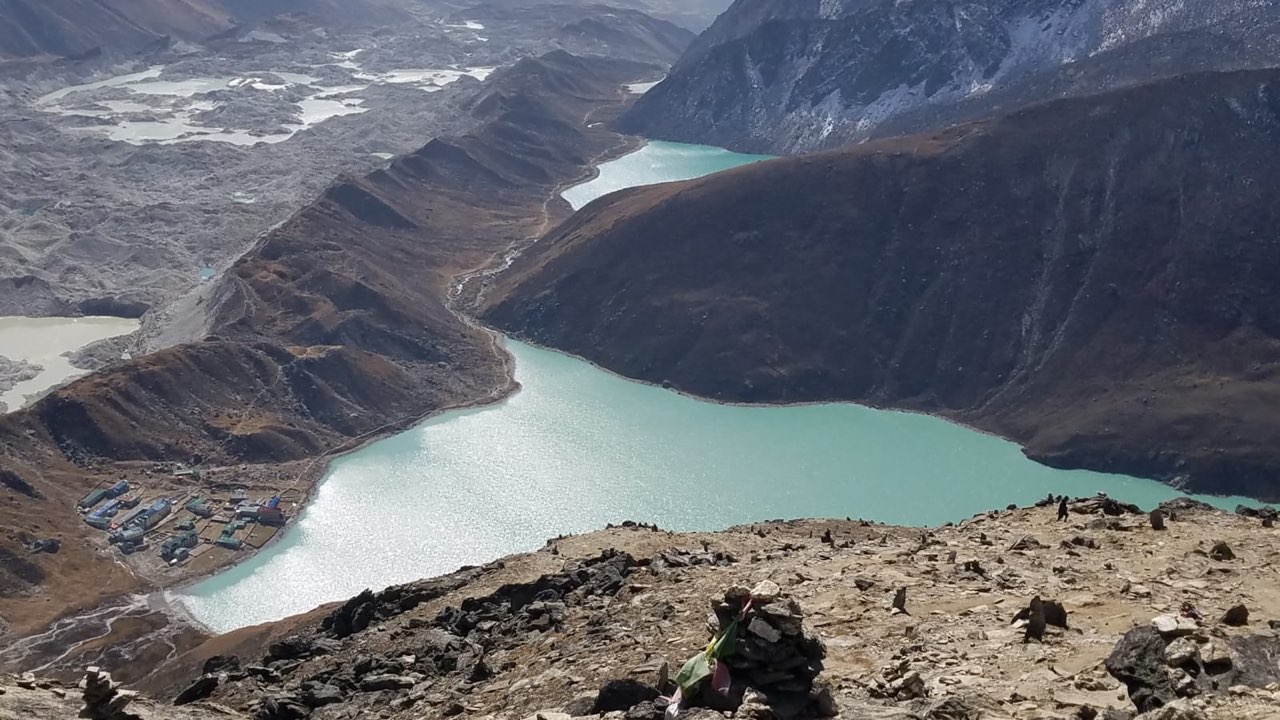
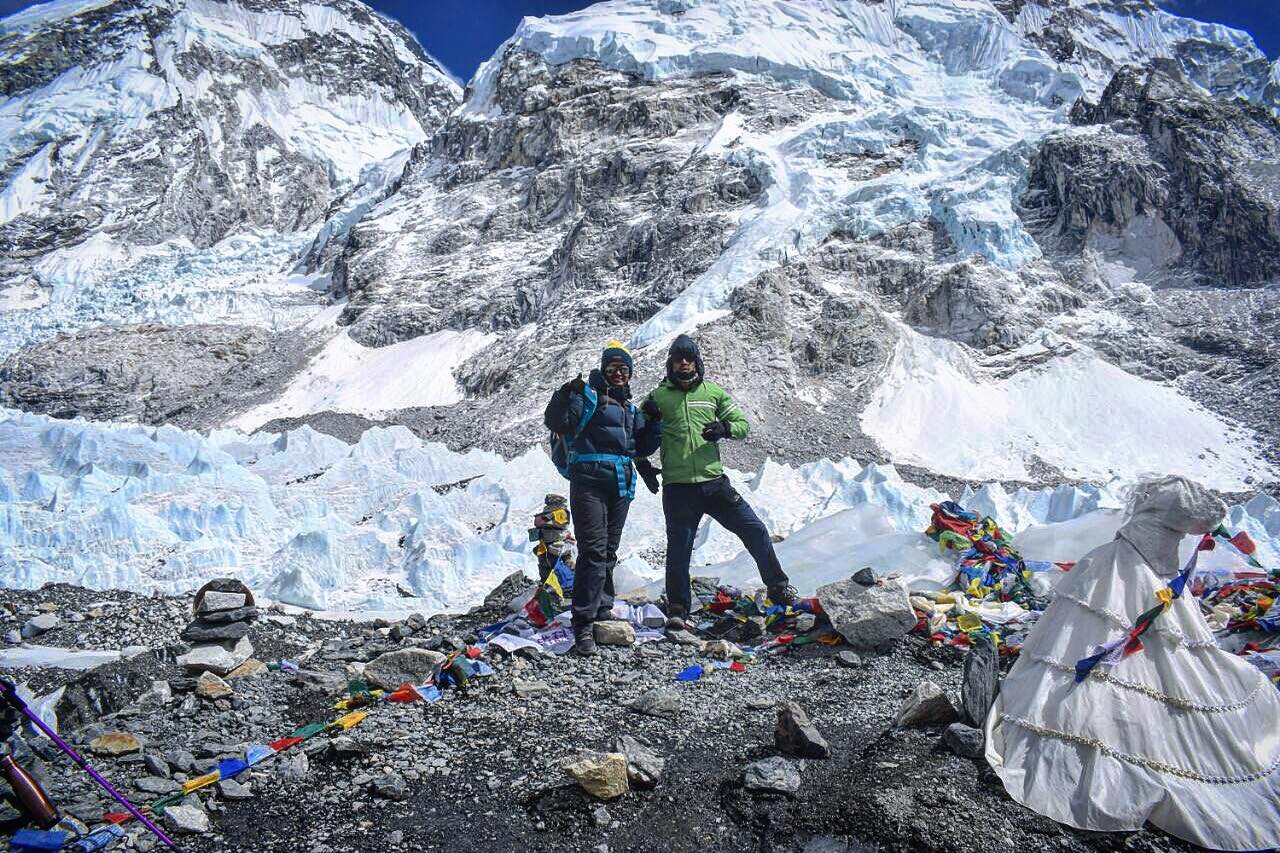
The trail continues through Tengboche, known for its ancient monastery, and reaches Dingboche, a picturesque village surrounded by snow-capped peaks. From there, the journey progresses to Lobuche, Gorakshep, and finally reaches Everest Base Camp, where climbers prepare to summit Mount Everest.
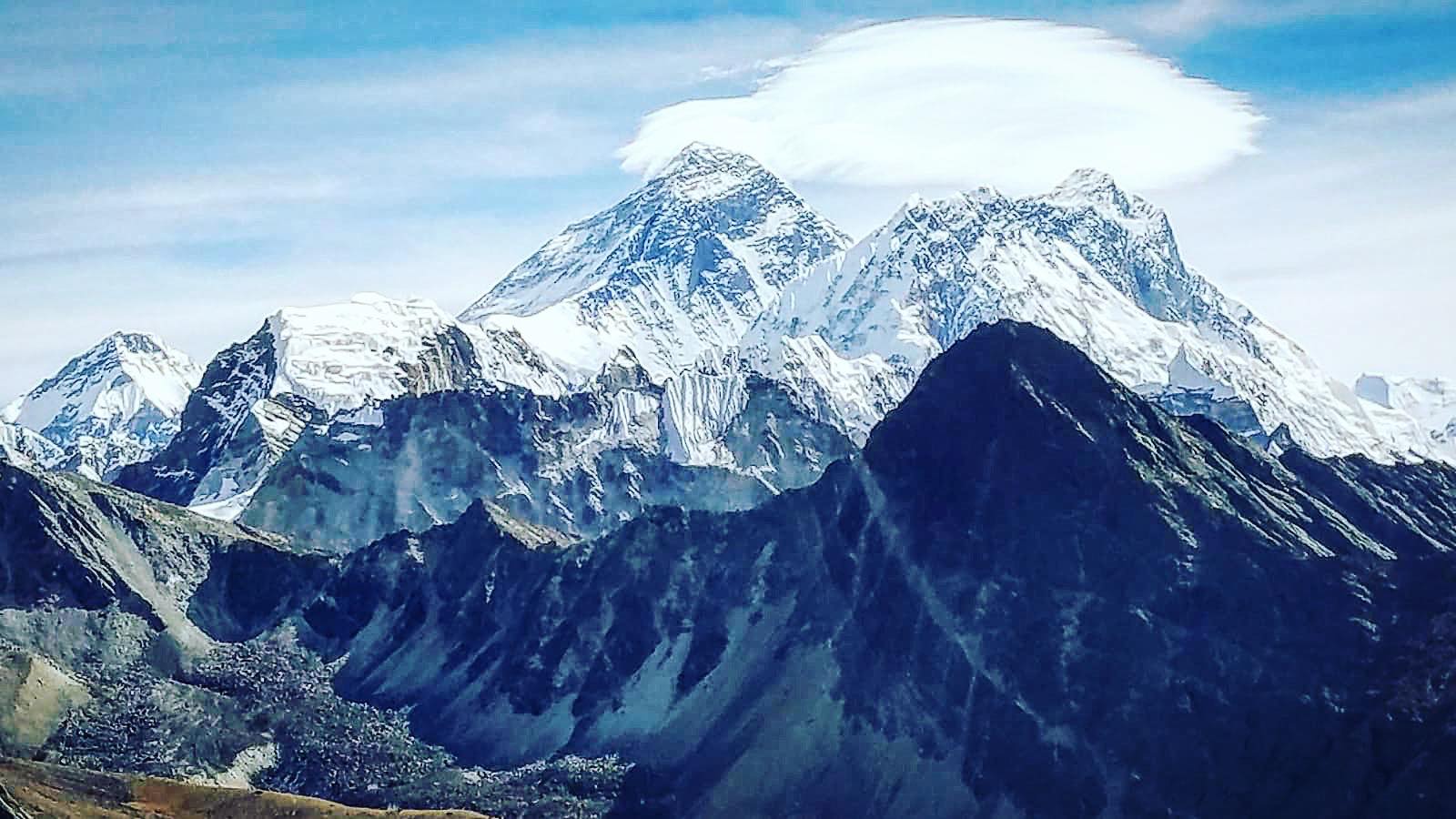
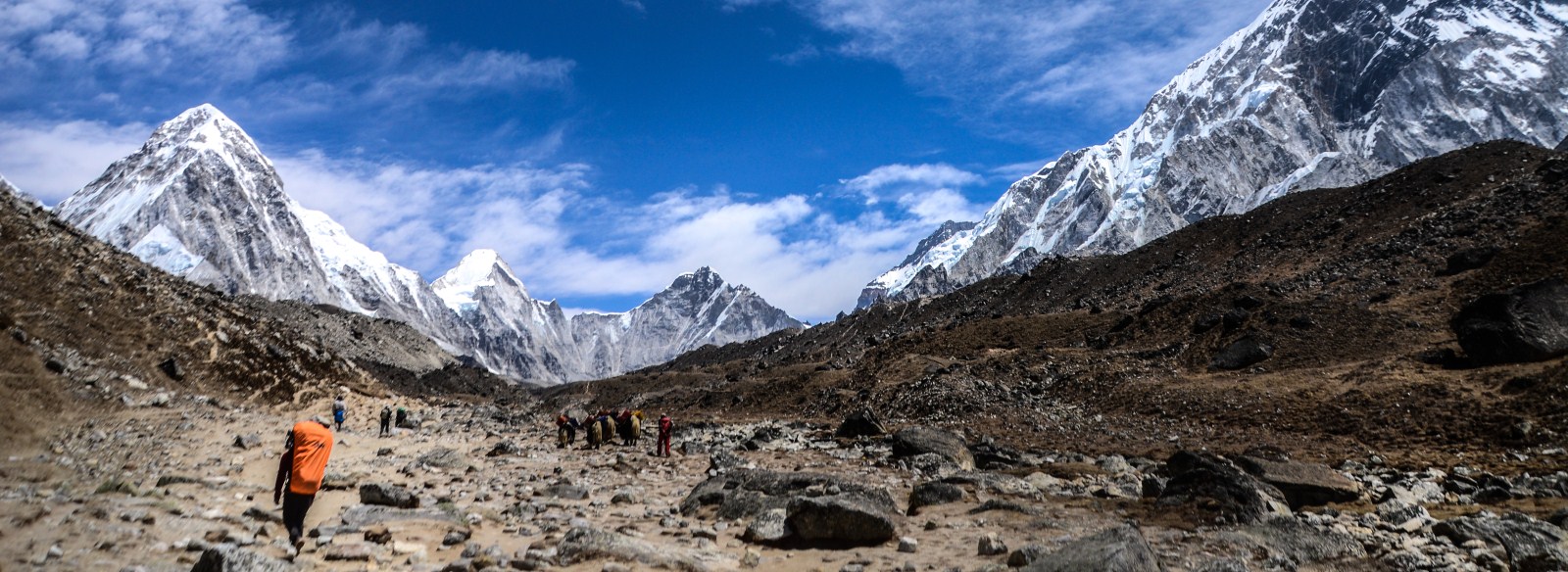
The trek not only offers awe-inspiring views of Everest, Lhotse, Nuptse, and other peaks but also provides an opportunity to witness the Sherpa culture and visit monasteries along the way. The region is rich in biodiversity, with chances to spot Himalayan wildlife such as musk deer, Himalayan thars, and various bird species.
The Everest Base Camp trek is considered moderately difficult and requires physical fitness and proper acclimatization. It is important to be prepared with proper gear, clothing, and a well-planned itinerary to ensure a safe and enjoyable journey.
Overall, the Everest Base Camp trek is a bucket-list adventure that allows trekkers to experience the majesty of the Himalayas and get a glimpse into the world of mountaineering.
Here are the most popular Frequently Asked Questions (FAQs) before embarking journey to the exciting Everest Base Camp:
Q: What is the Everest Base Camp trek?
A: The Everest Base Camp trek is a popular trekking route in Nepal that takes you to the base camp of Mount Everest, the world’s highest peak. It is a challenging yet rewarding adventure that offers stunning mountain scenery, unique Sherpa culture, and the opportunity to witness the grandeur of the Himalayas.
Q: How long does the Everest Base Camp trek take?
A: The duration of the Everest Base Camp trek can vary depending on the itinerary and your personal preferences. On average, it takes about 12-14 days to complete the trek, including acclimatization days. However, some itineraries can be shorter or longer, ranging from 10 to 18 days.
Q: What is the best time to do the Everest Base Camp trek?
A: The best time to undertake the Everest Base Camp trek is during the pre-monsoon (spring) season from March to May and the post-monsoon (autumn) season from September to November. These months offer stable weather conditions, clear skies, and moderate temperatures, making it ideal for trekking.
Q: Is previous trekking experience required for the Everest Base Camp trek?
A: While prior trekking experience can be helpful, it is not necessarily required for the Everest Base Camp trek. The trek is challenging, but with proper preparation, training, and a slow pace, individuals with good fitness levels can successfully complete it. However, it is important to consult with a medical professional and undertake physical training before attempting the trek.
Q: Are permits required for the Everest Base Camp trek?
A: Yes, permits are required for the Everest Base Camp trek. Two permits are necessary: the Sagarmatha National Park Entry Permit and the Khumbu Pasang Lhamu Rural Municipality Entry Permit, also known as the TIMS (Trekkers’ Information Management System) card. These permits can be obtained through registered trekking agencies in Nepal or the Nepal Tourism Board in Kathmandu.
Q: What is the accommodation like during the Everest Base Camp trek?
A: Accommodation along the Everest Base Camp trek is primarily in teahouses or guesthouses. These are basic lodges that provide rooms with beds, blankets, and sometimes shared bathrooms. The facilities are simple but comfortable enough for trekkers. In recent years, some teahouses have also started offering amenities like hot showers and Wi-Fi, although availability can vary.
Q: How physically demanding is the Everest Base Camp trek?
A: The Everest Base Camp trek is considered physically demanding, as it involves long hours of walking each day, often on steep and rocky terrain. Altitude is also a factor to consider, as trekkers ascend to high elevations above 5,000 meters (16,400 feet). Adequate physical fitness and mental preparedness are essential to successfully complete the trek.
Q: Is it safe to trek to Everest Base Camp?
A: Trekking to Everest Base Camp is generally safe, but it does come with risks and challenges. Altitude sickness is a concern, and trekkers must be aware of the symptoms and take necessary precautions such as acclimatization days and proper hydration. It is also important to follow the guidance of experienced guides, stay on designated trails, and be cautious of weather conditions. Hiring a reputable trekking agency and having travel insurance is advisable.
Q: Can I hire a guide and porter for the Everest Base Camp trek?
A: Yes, it is common to hire a guide and porter for the Everest Base Camp trek. A guide can provide valuable information, assist with navigation, and ensure your safety during the trek. A porter can carry your heavy backpack, allowing you to trek with a lighter load. Hiring them can enhance your overall experience and reduce physical strain.
Q: What should I pack for the Everest Base Camp trek?
A: Some essential items to pack for the Everest Base Camp trek include appropriate trekking clothing (layers for changing weather), sturdy trekking boots, a warm sleeping bag, a backpack, a down jacket, a hat, gloves, sunglasses, a water bottle, sunscreen, toiletries, and basic medical supplies. It is important to pack light and carry only the essentials.
Apart from this, knowing everything about the Everest Base Camp trek before embarking on the journey is crucial for several reasons:
Safety: The Everest Base Camp trek is a challenging adventure that takes you to high altitudes. Being well-informed about the trek allows you to prepare adequately, understand potential risks, and take necessary precautions to ensure your safety throughout the journey.
Physical and Mental Preparedness: The trek requires a good level of physical fitness and mental preparedness. Knowing the route, duration, and difficulty level beforehand helps you plan and undertake the necessary training, ensuring that your body and mind are prepared for the physical demands of the trek.
Proper Planning: Having a comprehensive knowledge of the trek enables you to plan your itinerary effectively. You can determine the best time to visit, choose the most suitable route, and allocate adequate time for acclimatization. Proper planning ensures a smoother and more enjoyable trekking experience.
Permit and Documentation: Understanding the permit requirements and regulations associated with the Everest Base Camp trek is essential. By knowing the necessary permits in advance, you can arrange for them in a timely manner, preventing any last-minute complications or delays.
Equipment and Gear: Being aware of the essential gear and equipment needed for the trek allows you to pack appropriately. Knowing what to bring, such as appropriate clothing, trekking boots, and necessary accessories, ensures that you are well-prepared for the varying weather and terrain conditions along the trek.
Cultural Awareness: The Everest Base Camp trek takes you through local Sherpa villages and Buddhist monasteries. Familiarizing yourself with the local customs, traditions, and cultural etiquette beforehand allows you to show respect and interact positively with the local communities along the way.
Logistics and Accommodation: Understanding the logistics, such as the availability of teahouses or lodges, booking procedures, and facilities along the route, help you plan your daily treks and make necessary arrangements in advance. This ensures a smoother experience with appropriate accommodation and facilities.
Environmental Responsibility: Being well-informed about the trek includes understanding the importance of responsible trekking. You can learn about Leave No Trace principles, waste management, and eco-friendly practices to minimize your impact on the fragile Himalayan ecosystem.
Overall, having comprehensive knowledge about the Everest Base Camp trek beforehand allows you to make informed decisions, be better prepared, and have a more enjoyable and successful trekking experience while ensuring your safety and respecting the local culture and environment.
Customize your trip with a local travel expert
CONTACT USRECENT POSTS
- Frequently Asked Questions (FAQs) on Everest Base Camp Trek
- The Ultimate Guide to Everest Base Camp Trek in Nepal
- Everest Base Camp Trek Gear Packing List - Everything That You Need to Know
CATEGORIES
- Trek In Nepal
- Uncategorized
ARCHIVES
- June 2023
- January 2019